What a Capsule Wardrobe Actually Is
A capsule wardrobe is a small collection of clothes that all work together. Every piece matches with every other piece. No dead weight. No shirts that only go with one pair of pants. No jackets you bought on impulse that hang in the back of the closet.
The concept has been around since the 1970s. London boutique owner Susie Faux coined the term in 1973. The Independent - Capsule Wardrobe History The idea is simple. Own fewer things that all work hard. The average American closet has 103 items of clothing. ClosetMaid Survey Most people wear about 20% of what they own on a regular basis. That means 80 or so garments are just sitting there taking up space.
I decided to build a capsule wardrobe using only American-made items. Here is what I landed on.
The Core Items
Boots (1-2 pairs): A good pair of American-made boots is the foundation. I went with Red Wing Iron Rangers for everyday wear and a pair of Thorogood moc toes for more casual days. These boots will last a decade or more with basic care. Budget: $280-$350 per pair.
Jeans (2-3 pairs): Two pairs of American-made jeans cover most situations. I rotate between a pair of Tellason straight legs in a medium wash and a pair of Imogene + Willie rigid denim. One lighter. One darker. Budget: $150-$230 per pair.
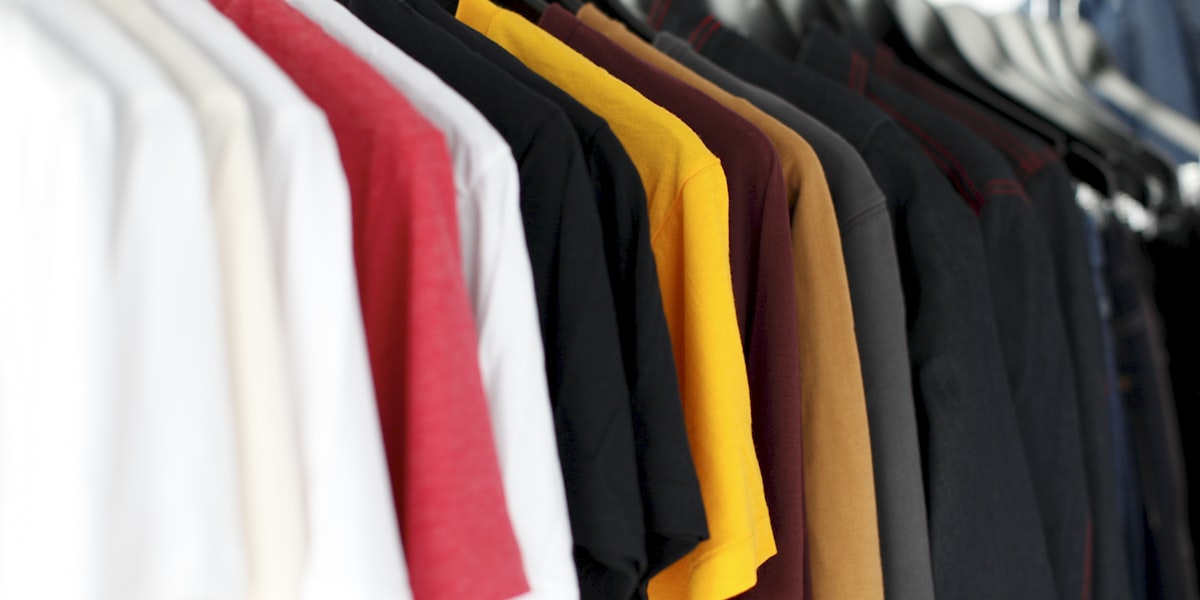
T-shirts (4-5): This is where most of the daily rotation happens. I keep five American-made t-shirts in neutral colors. White, heather gray, navy, black, olive. American Giant and Los Angeles Apparel are my go-to brands. Budget: $28-$48 each.
Flannel shirts (2): A heavyweight American-made flannel works as a shirt in fall and a layer in winter. I own two. One in a red buffalo check and one in a muted green plaid. Budget: $80-$150 each.
Work jacket (1): One solid American-made work jacket ties everything together. I went with a Schott chore coat. It works over a t-shirt in cool weather and over a flannel when it gets cold. Budget: $200-$350.
Belt (1): A quality American-made leather belt lasts forever. Literally. I have a Tanner Goods belt that looks better every year. Budget: $80-$120.
Socks (5-7 pairs): Darn Tough socks come with a lifetime warranty. That is not marketing speak. They will replace any pair that wears out, no questions asked. I own seven pairs and rotate them all week. Budget: $23-$29 per pair.
The Total Cost
Let me add it up. This is the mid-range estimate for a full capsule wardrobe built entirely with American-made items:
- Boots (2 pairs): $630
- Jeans (2 pairs): $380
- T-shirts (5): $190
- Flannels (2): $230
- Work jacket (1): $275
- Belt (1): $100
- Socks (7 pairs): $175
Total: approximately $1,980.
That sounds like a lot. I know. But consider what most people spend on clothes each year. The average American household spends about $1,945 on apparel annually. Bureau of Labor Statistics - Consumer Expenditures Most of that goes to fast fashion that needs replacing within a year. My capsule wardrobe cost roughly the same as one year of normal spending. But these items will last 5-10 years. Some of them will last a lifetime.
How to Build It Over Time
I did not buy all of this at once. That would be wild. I built it over about 18 months. Here is the order that made sense for me.
Month 1-2: Boots. They take the longest to break in, so start here. One pair of versatile work boots.
Month 3-4: Jeans. Two pairs in different washes. You now have a solid bottom half.
Month 5-6: T-shirts. Start with three in neutral colors. Add more later.
Month 7-9: Flannel and belt. Layering pieces that extend your wardrobe into cooler months.
Month 10-12: Work jacket. The big purchase that pulls everything together.
Ongoing: Socks and the remaining t-shirts. Fill in the gaps as budget allows.
Why American Made Matters Here
A capsule wardrobe only works if the clothes last. That is the whole point. You are buying fewer items and depending on each one to perform day after day, wash after wash, year after year. Cheap clothing cannot do that. It is not built for it.
American-made basics are built for durability. Heavier fabrics. Stronger stitching. Better quality control. When a factory is paying American wages, they have every incentive to make sure the product is worth the premium. The result is clothing that holds up to the kind of daily wear a capsule wardrobe demands.
There is also something satisfying about knowing where every piece of your wardrobe comes from. My boots are from Red Wing, Minnesota. My socks are from Northfield, Vermont. My t-shirts are from Middlesex, North Carolina. These are real places with real workers. That matters to me.