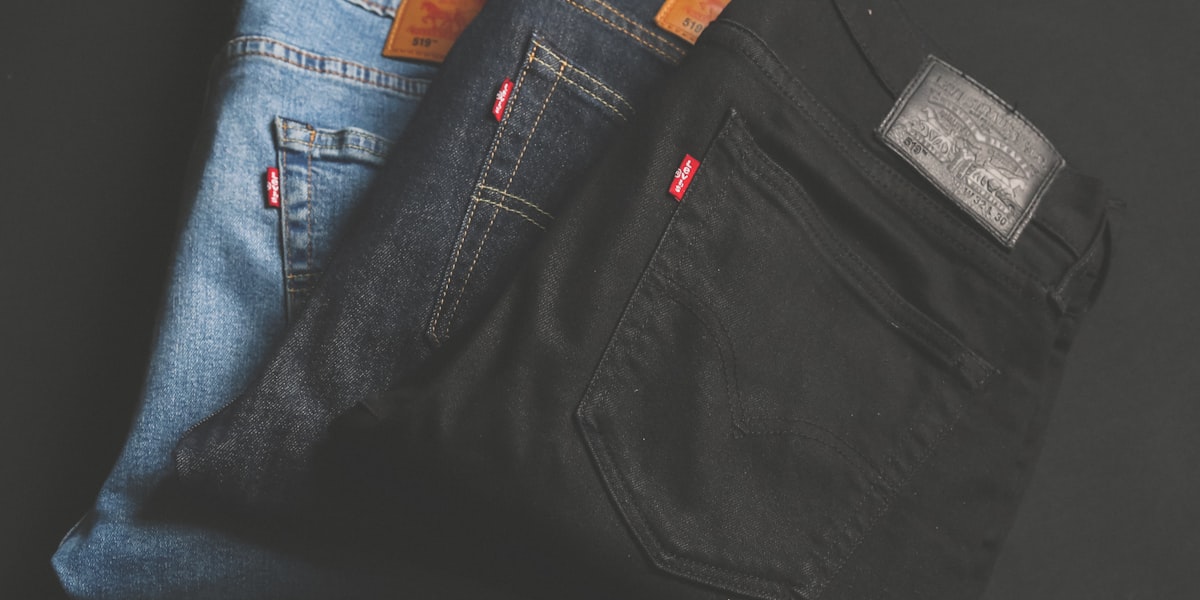
On December 31, 2017, the last American selvedge denim mill shut its doors. It was called White Oak, it was owned by Cone Mills, and it had been weaving denim in Greensboro, North Carolina since 1905. When it closed, 112 years of American denim heritage went with it. Here is what happened and what it means.
What Cone Mills Was
Cone Mills was founded in 1891 by brothers Moses and Ceasar Cone in Greensboro. By the early 1900s, they were the largest denim manufacturer in the world. In 1915, they signed an exclusive supply agreement with Levi Strauss & Co. that lasted until 2003. Every pair of 501s made during most of the 20th century used Cone denim. News & Record - White Oak History
White Oak was Cone's flagship denim mill. It sat on 179 acres in Greensboro and at its peak employed over 2,000 people. It ran vintage Draper X3 shuttle looms — machines built in Hopedale, Massachusetts in the 1940s — that produced the narrow, red-line selvedge denim that became the gold standard for raw denim enthusiasts.
Why Selvedge Mattered
Shuttle looms weave denim narrower and slower than modern projectile looms, but they produce a self-finished edge — the "selvedge" — that does not fray. This edge is the red line you see on the outseam of a pair of selvedge jeans when you cuff them. It is also the mark of a slower, denser weave that produces a fabric with more character and uneven texture.
By 2017, White Oak was running the last vintage Draper X3 shuttle looms in America producing denim at commercial scale. The looms were literally irreplaceable — no one makes them anymore, and the parts to maintain them come from salvaged machines. Heddels - Cone Mills Closure
The Closure
Cone's parent company, International Textile Group, announced White Oak's closure in October 2017. The stated reason was declining demand for premium denim and an inability to compete with Japanese and Turkish mills on cost. The plant ran until December 31, 2017. The looms were auctioned off. Some went to private collectors. Some were scrapped.
The closure was not entirely a surprise. Cone had been cutting back for years. Levi's had shifted most of its selvedge production overseas starting in the early 2000s. By 2015, White Oak was running well below capacity and only surviving because of boutique denim brands willing to pay a premium for authentic American selvedge.
When the plant closed, roughly 210 workers lost their jobs. A 112-year-old supply chain ended. And the entire American raw denim scene had to figure out what to do next.
What Replaced It
Nothing, really. There is no American selvedge denim mill operating at scale in 2026. A few small operations weave selvedge on modified modern looms, but they do not produce the vintage shuttle-loom character that White Oak made famous.
Proximity Manufacturing (also Cone-owned) closed in 2016. That ended American weaving of Cone's non-selvedge denims too.
Vidalia Mills (Vidalia, Louisiana) bought a number of the White Oak Draper looms and planned to restart American selvedge production. They struggled financially and have operated intermittently. As of early 2026, Vidalia is the closest thing to a White Oak revival, but output is limited and availability is inconsistent.
Mount Vernon Mills still weaves industrial denim and work fabrics in Trion, Georgia, but not shuttle-loom selvedge for the heritage market.
Most American brands that advertised "Cone Mills denim" — Tellason, Raleigh Denim, 3sixteen, Freenote — switched to Japanese selvedge after the closure. Kuroki, Kaihara, Kuroki Mills, and Nihon Menpu all produce excellent denim. But it is not American, and that was the whole point for some customers.
What It Means Now
If you own a pair of jeans with Cone White Oak denim, you own a piece of history that cannot be replicated. Existing stocks of deadstock White Oak denim show up occasionally in limited releases — usually at $300-500 per pair — and sell out quickly.
The closure is the clearest example of what happens when an industry moves offshore: the equipment, the workers, the institutional knowledge, and the supply chain all disappear at once, and rebuilding them is nearly impossible. You cannot just import a new Draper X3 loom. They stopped making them in 1963.
Bottom Line
Cone Mills is a case study in why "made in America" is not a marketing gimmick. When a mill closes, it takes a century of craft with it. For what is still being made domestically, see best American-made jeans and selvedge denim explained.