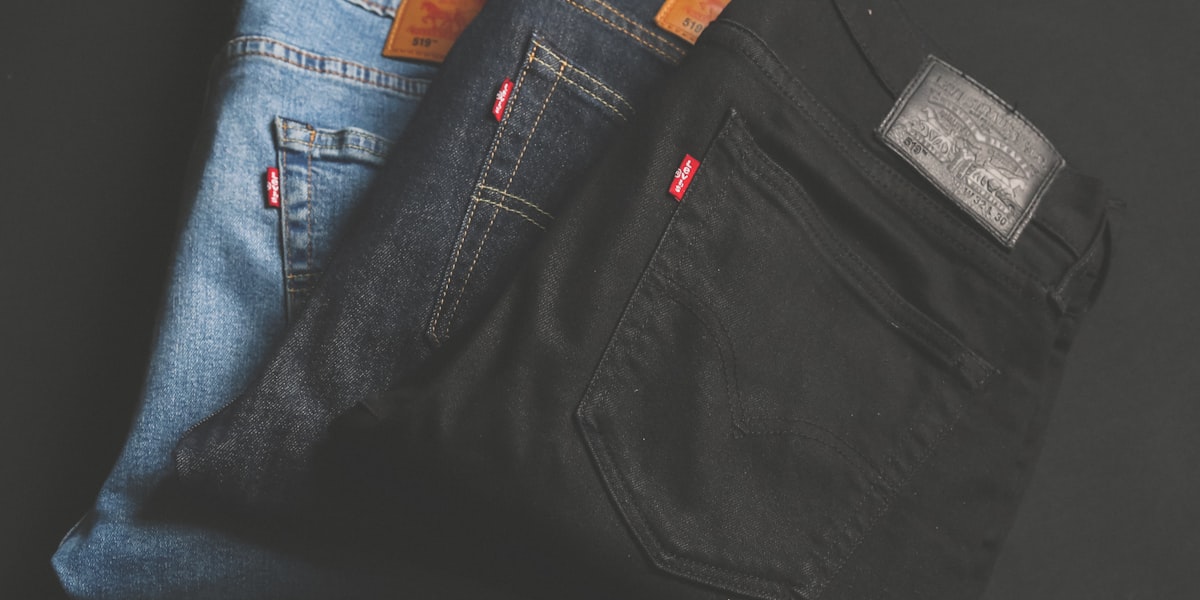
Raw denim is unwashed, unsanforized or sanforized indigo-dyed cotton that has never seen a rinse cycle at the factory. It is stiff. It is dark. And it will bleed on anything it touches for the first six months. Here is how to handle it without either babying it or destroying it.
The First Wear
If your jeans are unsanforized (marked "shrink-to-fit" by brands like Levi's LVC), they will shrink 7-10% on first contact with water. Sanforized denim — most Japanese and American selvedge — shrinks 1-3%. Check the tag. If it does not say sanforized, assume it will shrink.
For unsanforized: fill a bathtub with lukewarm water, get in wearing the jeans, sit there for 20-30 minutes, then get out and let them air dry on your body. Yes, this is a real thing. It is how you get a custom shrink. Heddels - Raw Denim 101
For sanforized: just wear them. Skip the pre-soak.
When to First Wash
The raw denim orthodoxy used to say wait six months to a year before the first wash. That was to maximize fade contrast — the starch and indigo build up into high-contrast "whiskers" and "honeycombs" at flex points. The longer you wait, the sharper the fades.
The modern take is more practical: wash when they smell, or every 3-4 months, whichever comes first. Waiting a full year is fine if you want extreme fades and your jeans do not smell like a gym bag. Most people do not have that kind of discipline, and that is fine.
Freezing jeans does not kill odor-causing bacteria. This is a myth. Wash them. Smithsonian - Freezing Jeans Myth
How to Wash Raw Denim
Cold water, turned inside out, no detergent or a splash of mild soap. That is the whole method.
Fill a tub with cold water. Turn the jeans inside out to protect surface fades. Submerge them and let them sit for 30-45 minutes. Agitate gently. Drain, press (do not wring) out excess water, and hang dry. Never use the dryer on raw denim — heat destroys fade contrast and shrinks them further.
If you prefer the washing machine, use cold water, delicate cycle, inside out, by themselves. Do not use bleach, fabric softener, or OxiClean. A tablespoon of mild detergent is fine after the first wash. Hang dry.
Fading and Wear Patterns
The fades — whiskers behind the knees, honeycombs at the thighs, a "wallet fade" on the back pocket — are the point of raw denim. They develop naturally from how you move, sit, and store your wallet. They are impossible to fake.
The first 3-6 months are when the fades develop fastest because the indigo is still loose and abrading away. After the first wash, fade development slows and locks in. This is why the "wait as long as possible" crowd exists.
Repairing Raw Denim
Raw denim wears through at predictable spots: crotch (blowouts from friction), knees, and back pocket corners. A darning repair at a denim specialist runs $20-40 and extends the life of the jeans by years. Do not wait until the hole is the size of your fist. Repair at the first sign of a thin spot. Self Edge, Indigo Proof, and Denim Therapy all do mail-in repairs.
What Not to Do
- Do not put them in the dryer.
- Do not wash with detergent that contains optical brighteners.
- Do not wash with other clothes for the first 3-4 washes — the indigo will bleed.
- Do not iron — heat distorts fade patterns.
- Do not dry-clean — the solvents strip indigo.
Bottom Line
Raw denim is not high-maintenance, it just wants different maintenance than regular jeans. Wear them, wash them cold when they need it, hang them to dry, and let the fades come from your life. For our picks, see best American-made jeans and selvedge denim explained.